Latte art training and a beverage art device solve different problems. Training builds a barista's milk control and craft, and it improves every drink. A device reproduces a chosen image, such as a logo or photo, on foam the barista has prepared. Most venues weighing them up will find they are not alternatives: one depends on the other.
What does it take to learn free pour latte art?
Mostly repetition with feedback. Timelines vary by person and by how many drinks they pour. A new barista with daily practice may produce a recognizable heart within weeks, while a clean tulip or rosetta usually takes longer, and repeating it during a rush takes longer still. Be wary of any course that promises a fixed result by a fixed date.
Skill also has to survive real service: different cups, a queue and a second order waiting. For a short background on styles, see what latte art is, including free pour, etching and printed designs.
How should you structure latte art training for staff?
Short and frequent sessions tend to work better than one long class, because the hand memory builds over many pours. Run practice at a quiet hour and make it part of the rota instead of leaving it to spare moments.
Milk texture first
No pattern holds without glossy, fine foam. Spend the first sessions on stretching, texturing and temperature, and judge the milk before the pattern.
Pouring control
Practice height, flow and cup tilt. A barista should be able to fill a cup evenly and bring a white dot to the surface on purpose.
One pattern at a time
Move from heart to tulip to rosetta only when the earlier shape is repeatable, not when it has worked once.
Your own cups
Train with the cups you serve in. A shape learned in a wide cup needs adjusting for a narrow one.
Service conditions
Finally, practice under time pressure with several drinks in a row, and have an experienced colleague review the results.
To keep the cost of milk under control, some trainers use water with a tiny drop of dish soap for pouring practice, since it behaves a little like steamed milk. If you try it, use a dedicated pitcher, keep it well away from service and clean all equipment thoroughly afterward. It helps with hand movement only, and it does not replace steaming real milk.
What does a latte art printer do that training does not?
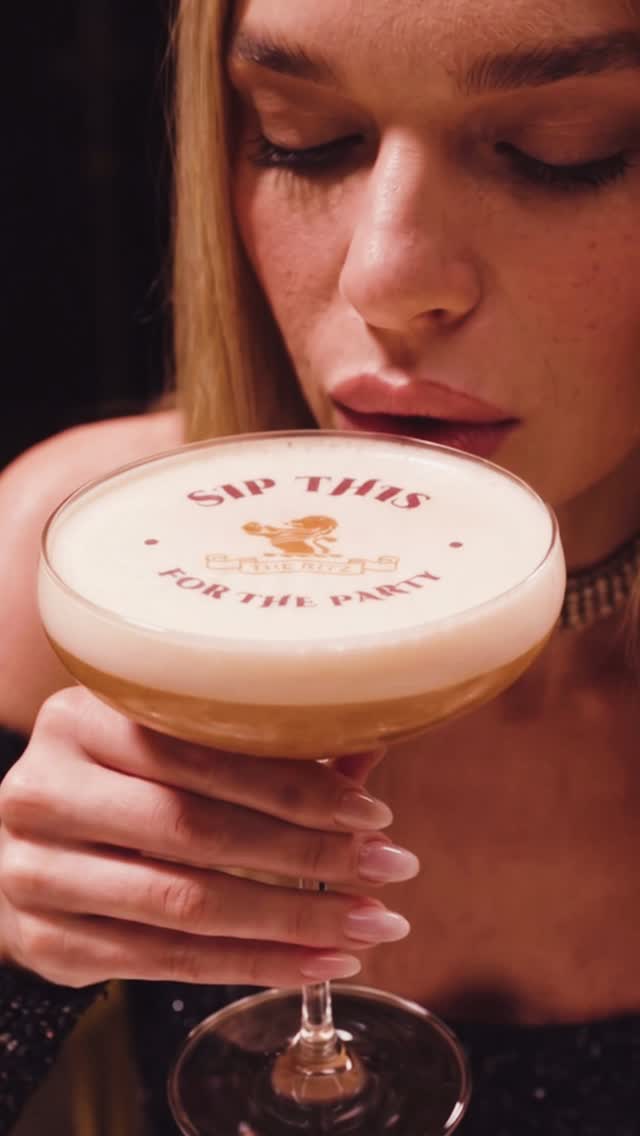
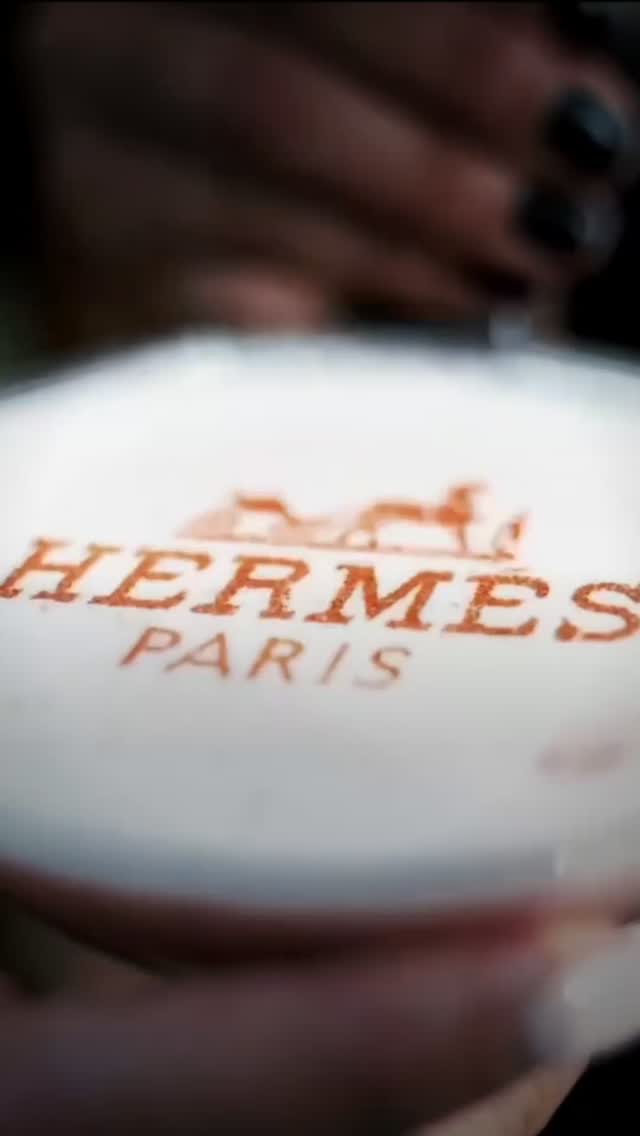
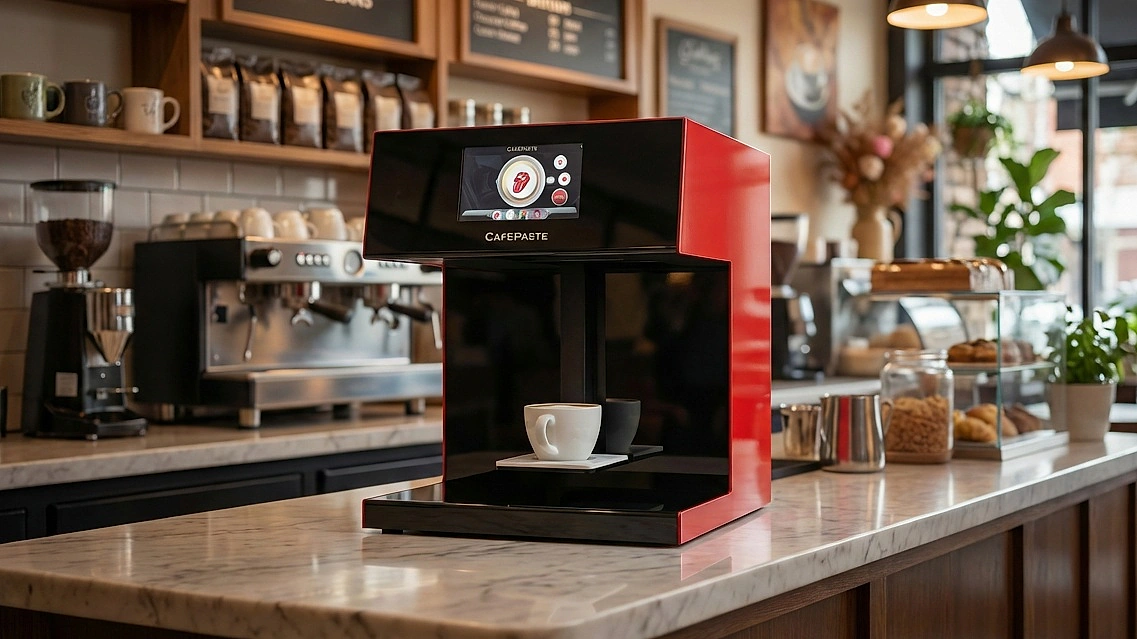
It reproduces a specific image on request. A guest's photo, a company logo, a name for a birthday and a holiday design are all things free pour was never meant to deliver. A latte art printer such as the CAFEPASTE Beverage Art Creator works at 1200 DPI in full color or natural coffee-based classic brown, and sets cup height and centring automatically.
It also has clear limits. It does not make espresso, steam milk or replace an espresso machine. It cannot rescue thin or bubbly foam, because the image sits on what the barista prepared. And it has no judgment: it will not notice a poor shot or talk a hesitant guest through the menu.
| Question | Free pour training | Beverage art device |
|---|---|---|
| What it produces | Hearts, tulips, rosettas and other poured shapes | Logos, photos, names and patterns |
| What it depends on | Practice, feedback and staff retention | Well-prepared foam and a clean image |
| Repeatability | Grows with the individual barista | The same file gives the same design, subject to the foam |
| Improves drink quality | Yes, because milk skills improve every cup | No; it adds an image only |
| When staff change | New people need time to learn | New people need the foam basics and the included remote training |
| Guest appeal | Craft and the sense of a skilled barista | Personal or branded images worth photographing |
How can free pour and a device coexist on one counter?
Treat them as two offers. Free pour stays your everyday finish, and printing becomes something a guest chooses, for an occasion, a gift or a photo. Many guests value watching a skilled barista, so a device should not be used to retire that part of your café. Our guide to offering latte prints in a café covers the workflow at peak.
- Default drinks: the barista pours as usual, keeping the craft visible.
- Requested images: a guest scans a QR code or shares a photo, and the barista pours a level foam surface for printing.
- Business orders: logos for local companies, group bookings and events go through the device, since accuracy is what the customer is paying for.
- Peak hours: decide in advance whether printing pauses, narrows to a few designs or continues.
Which should you invest in first?
If your milk quality is inconsistent, start with training, because every cup depends on it, including printed ones. Then look at a device if guests, corporate clients or events are asking for something free pour cannot supply.
| Your situation | Sensible first step |
|---|---|
| Foam quality varies by shift | Milk and pouring training |
| Strong baristas, requests for logos and photos | Beverage art device |
| Frequent staff changes, steady brand orders | Basic milk training plus a device |
| Specialty focus where craft is the main appeal | Training first; add printing only if guests ask |
| Events and catering with branded briefs | A device, with staff trained on foam |
Installation, staff training on the device and support for CAFEPASTE are remote and included, and no technician visit is needed. That training covers the device. Free pour coaching remains your own program or a local course, and if you want a deeper look at matching equipment to a venue, see how to choose a coffee printer for your café.
KEY TAKEAWAYS
- Free pour is a skill built through regular practice and feedback, and its timeline varies by person.
- Milk training improves every drink, printed or not.
- A device reproduces chosen images; it does not make drinks or replace a barista.
- Keep free pour as the everyday finish and offer printing as a choice.
- Fix inconsistent foam before adding a device.
Frequently Asked Questions
Frequently Asked Questions
- How long does it take to learn latte art?
- It varies by person and by how many drinks they pour each day. With daily practice, a new barista may pour a recognizable heart within weeks, while a consistent tulip or rosetta usually takes longer. Repeating those shapes during a busy service is the last and slowest stage.
- What is the fastest way to practice latte art?
- Short, frequent sessions with feedback tend to help more than a single long class. Focus on milk texture first, then pouring control, then one pattern at a time. Practicing in the cups you serve in also makes the skill easier to carry into real service.
- Can you practice latte art without wasting milk?
- Some trainers use water with a tiny drop of dish soap for pouring practice, since it behaves a little like steamed milk. Use a dedicated pitcher, keep it away from service and clean equipment thoroughly afterward. This only trains hand movement, so baristas still need to steam real milk.
- Does a latte art printer replace baristas?
- No, a latte art printer only adds an image to a drink the barista has already made. It does not make espresso, steam milk or judge whether a drink is good. The printed result also depends directly on the foam the barista prepares.
- Do baristas still need latte art training if a café has a printer?
- Yes, because milk skills affect every cup, and printing needs fine, even foam. Free pour also remains part of what many guests enjoy about a café. A sensible setup keeps free pour as the everyday finish and uses printing for requested images.
- Is a printed latte still latte art?
- It is a different form of latte art. Free pour comes from a barista's hand, while a printed design comes from an image file placed on foam. Being honest with guests about which one they are getting keeps respect for both.
- Does CAFEPASTE include staff training?
- Yes, installation, staff training on the device and support are remote and included with CAFEPASTE, and no technician visit is needed. That training covers using the device. Free pour coaching is a separate skill that a café runs itself or sources from a course.