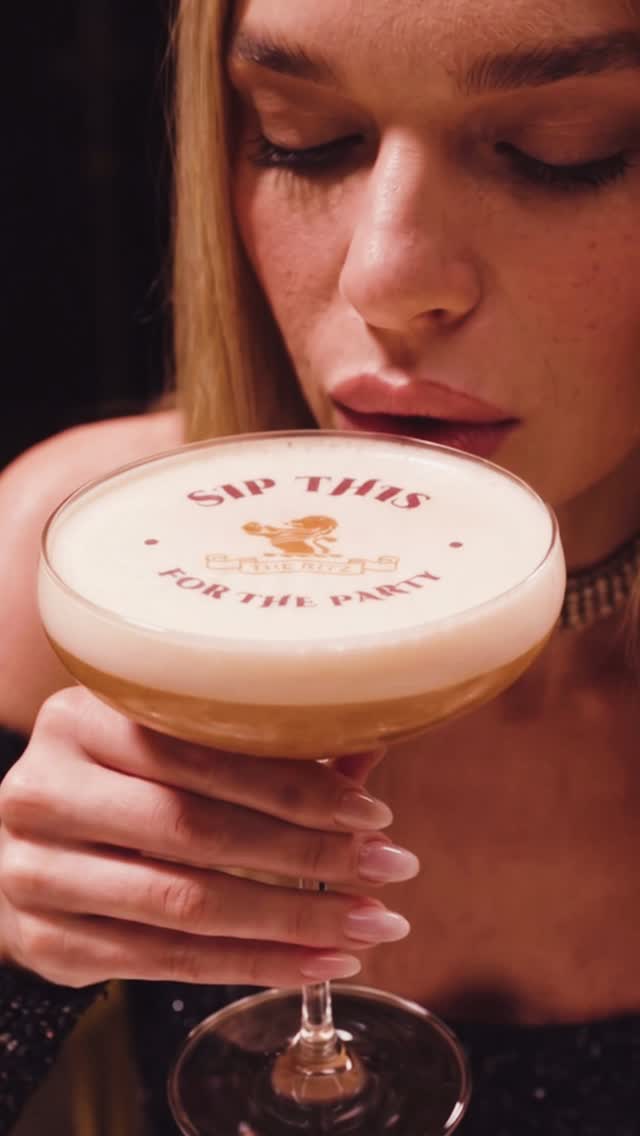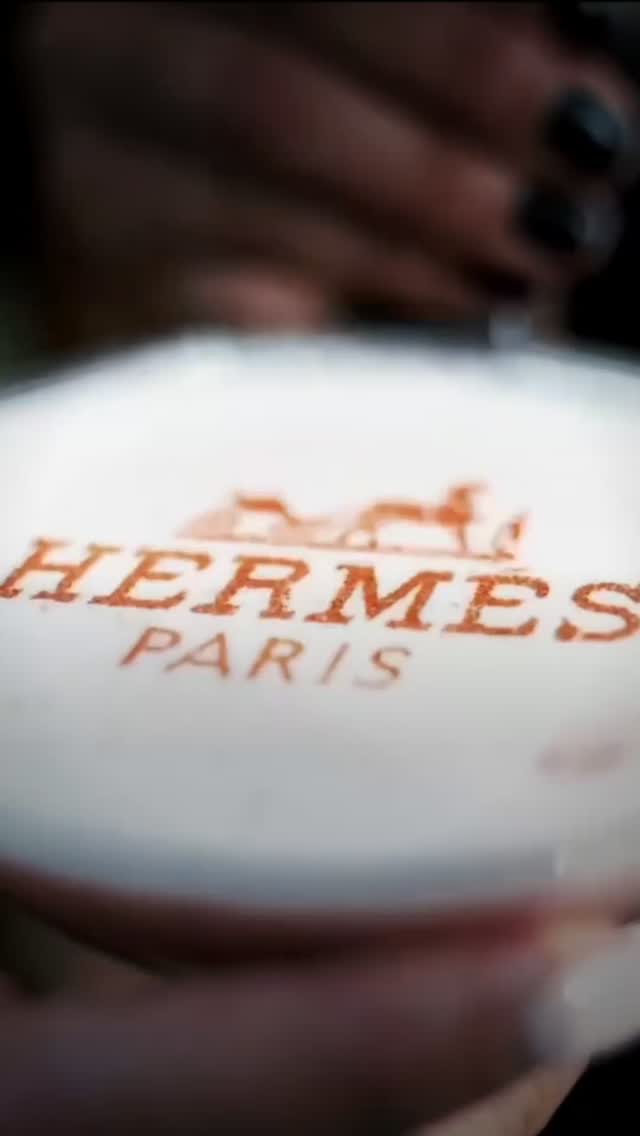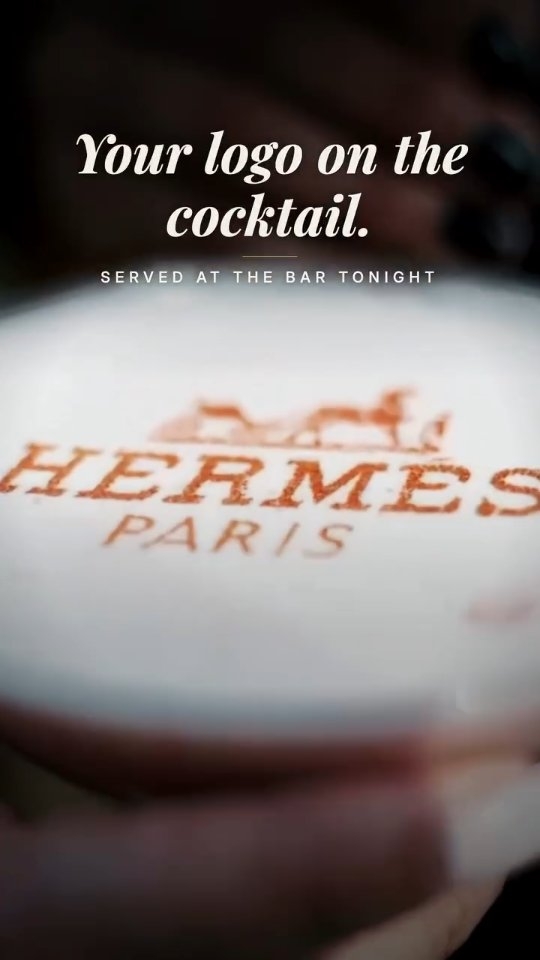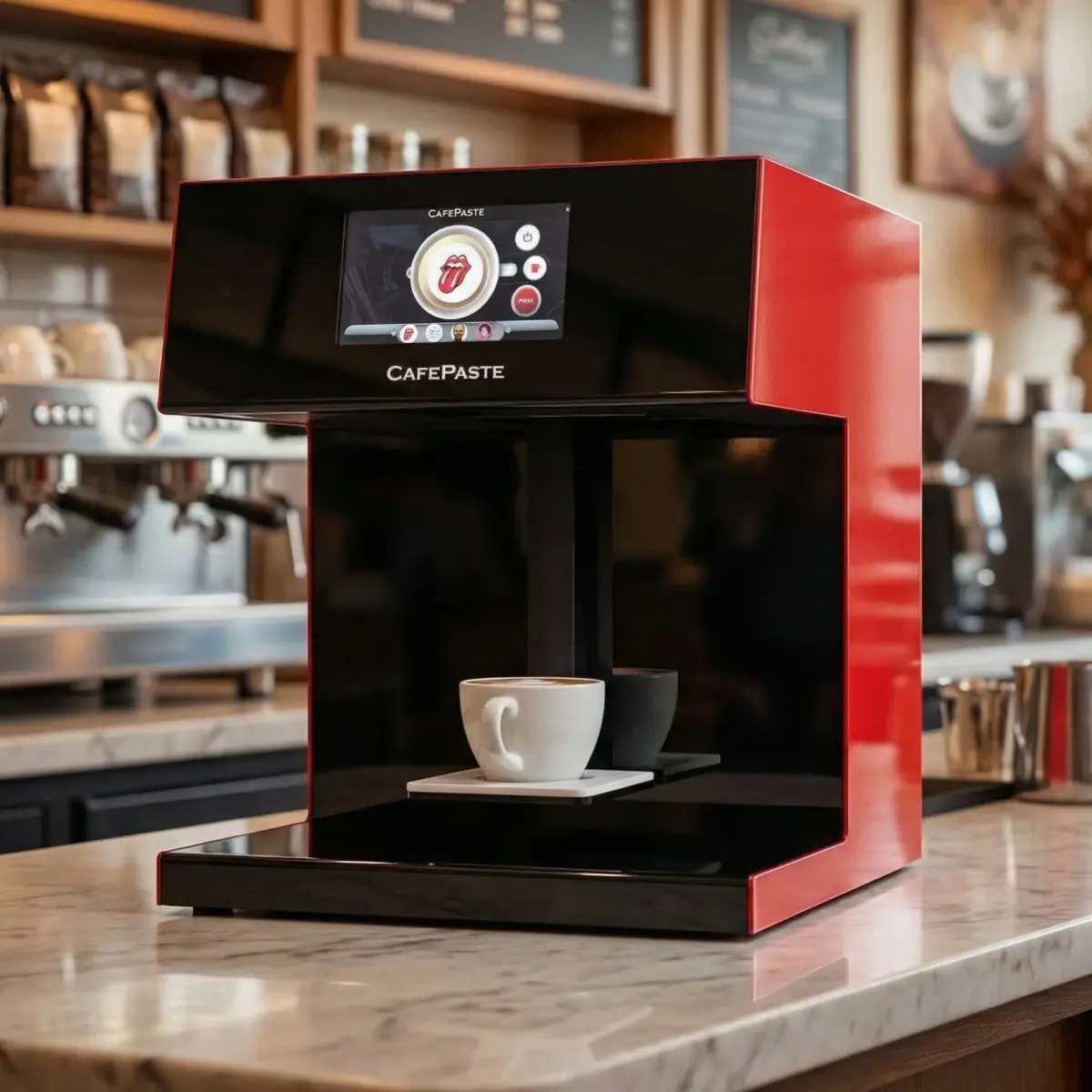
“Latte art machine” describes two different products. One is an espresso machine with enough steam power to make the silky milk baristas pour into patterns. The other is a countertop device that places a finished design on foam already in the cup. A commercial venue needs the first to make the drink, and adds the second if it wants logos, names or photos.
What do people mean by “latte art machine”?
Search for a latte art machine, a latte art maker or a coffee machine for latte art, and two product categories appear side by side. The words suggest one product. In practice, the two machines do different jobs at different points in the drink, and they are bought for different reasons.
The first is an espresso machine with a capable steam wand or automatic milk system. It brews the espresso and textures the milk, and a trained barista pours the pattern. The second is a device often sold as a latte art printer, which adds a design to the top of a drink that is already made. It needs a foam surface before it can do anything.
| Question | Espresso machine | Foam art device |
|---|---|---|
| Main job | Brews espresso and steams milk | Applies an image to the drink surface |
| Who creates the design | The barista, by pouring | The device, from a chosen image |
| Designs possible | Hearts, tulips, rosettas and other poured patterns | Logos, names, messages, illustrations, photos |
| Skill the design depends on | Practiced milk steaming and pouring | Preparing a stable foam and choosing a clear image |
| Can it replace the other? | No, it cannot reproduce a logo or photo | No, it cannot make espresso or steam milk |
What does an espresso machine contribute to latte art?
Poured latte art starts with milk texture. Free-pour patterns depend on fine, glossy microfoam with no visible bubbles, poured into a well-extracted espresso. The machine's part is steady brew temperature and enough steam to texture milk quickly, drink after drink.
When you compare commercial espresso machines for milk drinks, these points affect the cup more than the brochure headline does:
- Steam recovery: does the steam stay strong through consecutive milk drinks at your busiest hour?
- Number of groups: does it match the drinks you serve at peak, not the daily average?
- Milk system: a manual wand rewards skill, while an automatic system can help when staff change often. Ask to see the foam it produces.
- Service access: who repairs it in your area, and how quickly?
However capable the steam wand is, the pattern is limited to what a hand can pour. An espresso machine alone will not put your logo or a guest's photo on the cup.
What does a foam art device do?
A foam art device applies food-safe edible ink to the surface of a prepared drink. The barista makes the drink as usual, places the cup in the device, selects an image, and hands over the finished cup. The CAFEPASTE Beverage Art Creator is one example of this category.
CAFEPASTE offers full colour (CMYK) and a natural coffee-based classic brown in the same device, at 1200 DPI. Height and centring are automatic, and images arrive through a QR code or phone. It also works fully offline, so a venue's internet connection does not decide whether drinks can be served.
Which machine should a commercial venue buy?
Start from what your venue lacks. If you cannot yet make a good milk drink, an art device is the wrong first purchase. If you already can, the decision is about what you want on the cup.
| Your situation | What to buy | Why |
|---|---|---|
| New café with no espresso equipment | Espresso machine first | Everything else depends on the drink itself |
| Café with trained baristas that wants logos, names or photos | Foam art device alongside the machine | Free pour cannot reproduce these designs |
| Busy site with changing staff that wants the same brand mark on every cup | Foam art device, plus basic milk training | The image stays consistent, but the foam still has to be good |
| Hotel, caterer or event company serving branded drinks | Foam art device, with an espresso machine available at the location | Designs change by client or event without any new pouring skill |
| Bakery or patisserie selling coffee and cakes | CAFEPASTE Pro | It also handles cake and pastry surfaces, with art up to 12 cm |
| Venue serving only black or filter coffee | Neither yet | Without milk or foam drinks, there is no surface to work on |
What should you check before buying a foam art device?
Once you know you want the second kind of machine, these checks narrow the choice. Our Pro versus Lite guide goes deeper on the model decision.
- Peak volume: Pro handles 2 cups at once, Lite handles one. Count your milk drinks in the busiest hour.
- Surfaces: if cakes or pastries matter, you need Pro, which works on them with art up to 12 cm.
- Counter space: the device measures 45 × 45 × 45 cm and weighs 15 kg, so measure before deciding where it goes.
- Cups: it takes cup heights from 5 to 18 cm. Check your tallest takeaway cup and glass.
- Pod use: a Pod lasts 2 weeks after opening and 6 months sealed, so match your order to real demand.
- Setup and support: CAFEPASTE installation, staff training and support are remote and included, with no technician visit needed.
- Warranty and paperwork: the device has a 2-year warranty and CE and FCC certification. Ink and product documentation are available to buyers on request.
Does a foam art device replace your baristas?
No. Someone still pulls the shot and steams the milk, and poor foam gives a poor image. Free pour remains a real craft that many guests value. The two can work side by side: hand-poured patterns on regular orders, and printed designs for logos, names, photos and events. If you are weighing staff training against a device, our guide to latte art training and printers covers how they coexist.
KEY TAKEAWAYS
- “Latte art machine” can mean an espresso machine or a foam art device, and they are not substitutes.
- An espresso machine makes the drink and the milk; a barista's pour creates the pattern.
- A foam art device adds logos, names and photos but needs a prepared foam surface.
- Buy the espresso machine first if you do not have one.
- Choose Pro for 2 cups at once or for cakes and pastries; Lite handles one cup at a time.
Frequently Asked Questions
Frequently Asked Questions
- What is a latte art machine?
- The term covers two products. One is an espresso machine that textures milk well enough for a barista to pour patterns. The other is a device that applies an image to the foam of a finished drink.
- Is there a machine that does latte art automatically?
- Yes, a foam art device places a design on the drink automatically once the cup is in place. The CAFEPASTE Beverage Art Creator takes ~10 s per cup on Pro and ~15 s on Lite. You still need to make the drink and its foam first.
- Does a latte art printer make coffee?
- No. A latte art printer does not make espresso or steam milk, and it does not replace an espresso machine. It works only on the surface of a drink that has already been prepared.
- Which espresso machine features matter for latte art?
- Steady brew temperature and strong steam recovery matter most, because poured patterns depend on fine microfoam and good espresso. For commercial use, also match the number of groups to your peak hour. A machine that weakens during consecutive milk drinks will make patterns harder to pour.
- Can I use a latte art printer without trained baristas?
- The image itself does not depend on pouring skill, but the foam does affect the result. Staff still need to prepare a stable, even foam. CAFEPASTE includes remote staff training with the device.
- What designs can a foam art device produce that free pour cannot?
- It can reproduce logos, names, written messages, illustrations and guest photos. CAFEPASTE works in full colour (CMYK) or a natural coffee-based classic brown at 1200 DPI. Free pour is limited to the shapes a barista can form by hand.
- Which should a new café buy first?
- Buy the espresso machine first and get your milk drinks right. A foam art device only adds to a drink that already exists, so it makes sense as a second step. Decide on it once you know what you would put on the cup.