
For the European regulatory baseline, see the official [EFSA food additives page](https://www.efsa.europa.eu/en/topics/topic/food-additives).
More on Edible Ink
Edible ink allows for decorative prints on foods and beverages by using ingredients that meet international food safety standards. It commonly comprises natural colorants such as beetroot, carotene, chlorophyll, and anthocyanins. These inks do not alter the flavor, aroma, or consistency of the printed items, making them ideal for aesthetically enhancing consumable goods.
Its use expands across various industries, including bakeries, cafes, and event caterers, allowing them to create visually appealing and personalized items. Due to their safe composition, edible inks are free from common allergens like gluten, milk, and soy.
Edible Ink in CAFEPASTE
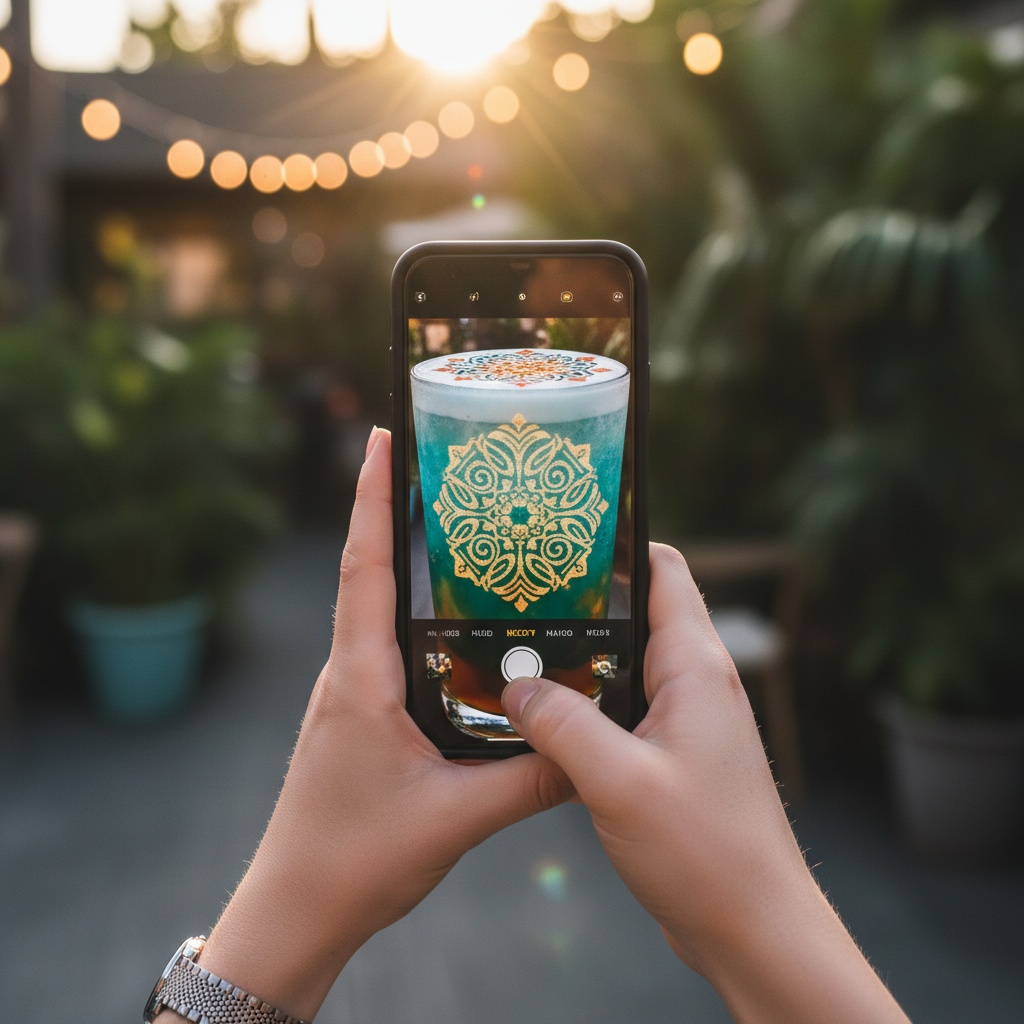
CAFEPASTE leverages edible ink to create intricate and vibrant designs on coffee foam and other beverages. By choosing inks that adhere to strict safety standards, CAFEPASTE ensures that its beverage art creation is both visually stunning and safe for consumption. Learn more about our [innovative approach to beverage art](/en/guides/innovation-in-beverage-art).
Frequently Asked Questions
- Is edible ink food-safe?
- Yes, edible ink is made from food-safe natural colorants and complies with international food safety standards.
- What are common ingredients in edible ink?
- Edible ink commonly contains natural colorants like beetroot, carotene, chlorophyll, and anthocyanins.
- Can edible ink affect the taste of beverages?
- No, edible ink does not alter the taste, aroma, or texture of beverages.
@cafepasteart




See CAFEPASTE in action
Discover how it integrates with your brand and operation.
Explore Models →